A right-wing populist party in the UK
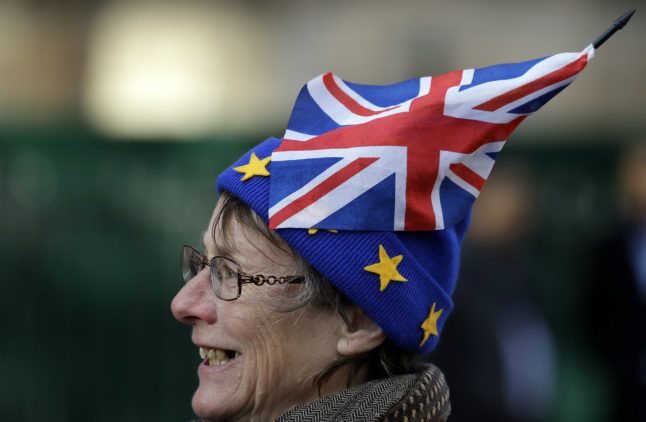
the UK Independence Party is eurosceptical. In the mid-2010s, when they gained two MPs and became the largest party in the European Parliament, the party was able to reach its greatest level of success. At the moment, Neil Hamilton is leading the party.
Founded by Alan Sked in 1991
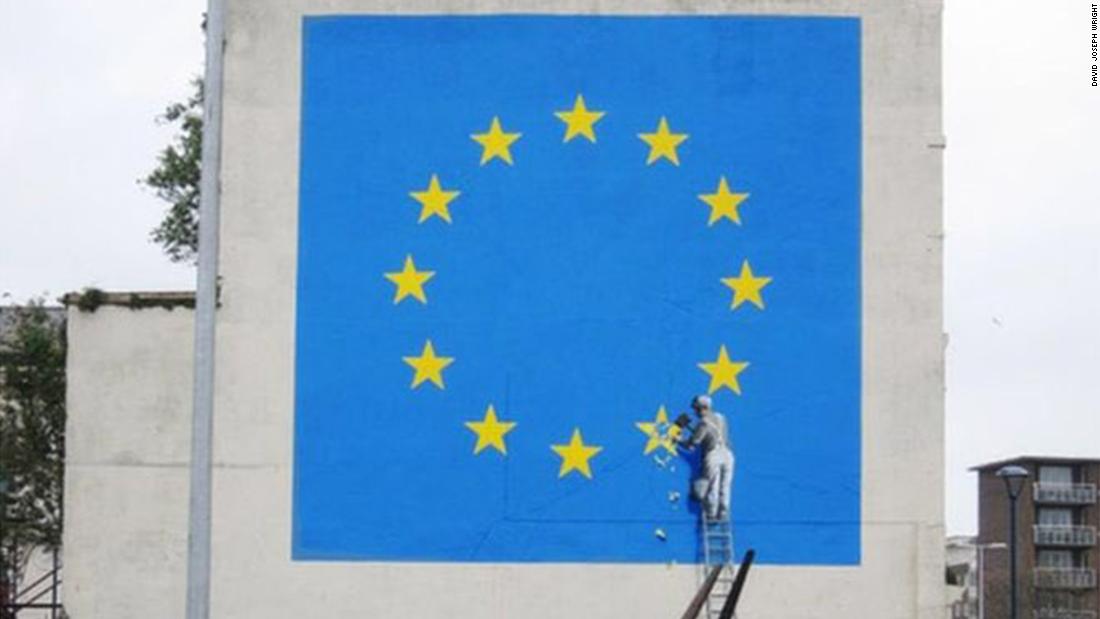
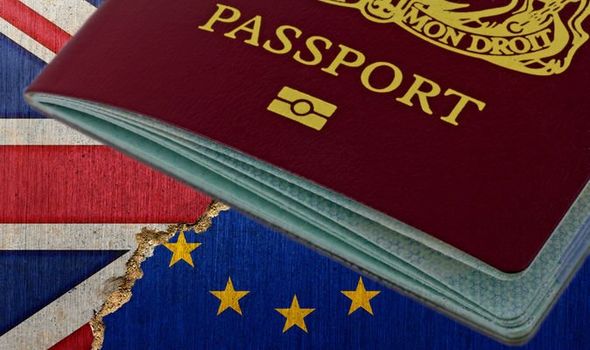
UKIP started out as the Anti-Federalist League, a single-issue Eurosceptic party. The party changed its name to UKIP in 1993, but its growth remained slow. Eurosceptical Referendum Party largely eclipsed it until its dissolution in 1997. A faction led by Nigel Farage ousted Sked in 1997, becoming the party’s most prominent figure. Farage became the party’s leader in 2006, and the party adopted a wider policy platform under his leadership, in particular capitalizing on concerns about immigration among white working class citizens. As a result, significant victories were achieved during the 2013 local election, 2014 European Parliament election, and 2015 general election. Following his resignation from UKIP, Farage later joined the Brexit Party. Following a period of internal turmoil and drifting towards a far-right, anti-Islam stance, UKIP saw both its vote share and membership heavily decline.
UKIP is divided into twelve regional groups under the leadership of its leader and National Executive Committee. The majority of UKIP’s MEPs were members of the Europe of Nations and Freedom group in the European Parliament. UKIP is a founding member of the Alliance for Direct Democracy in Europe. At its peak, UKIP was primarily supported by older, working-class white men living in England while gaining support from various sectors of British society. The mainstream media, much of the political establishment, and anti-fascist groups have all attacked UKIP. A number of accusations of racism and xenophobia were made due to its immigration discourse and cultural identity. Both accusations were denied.